
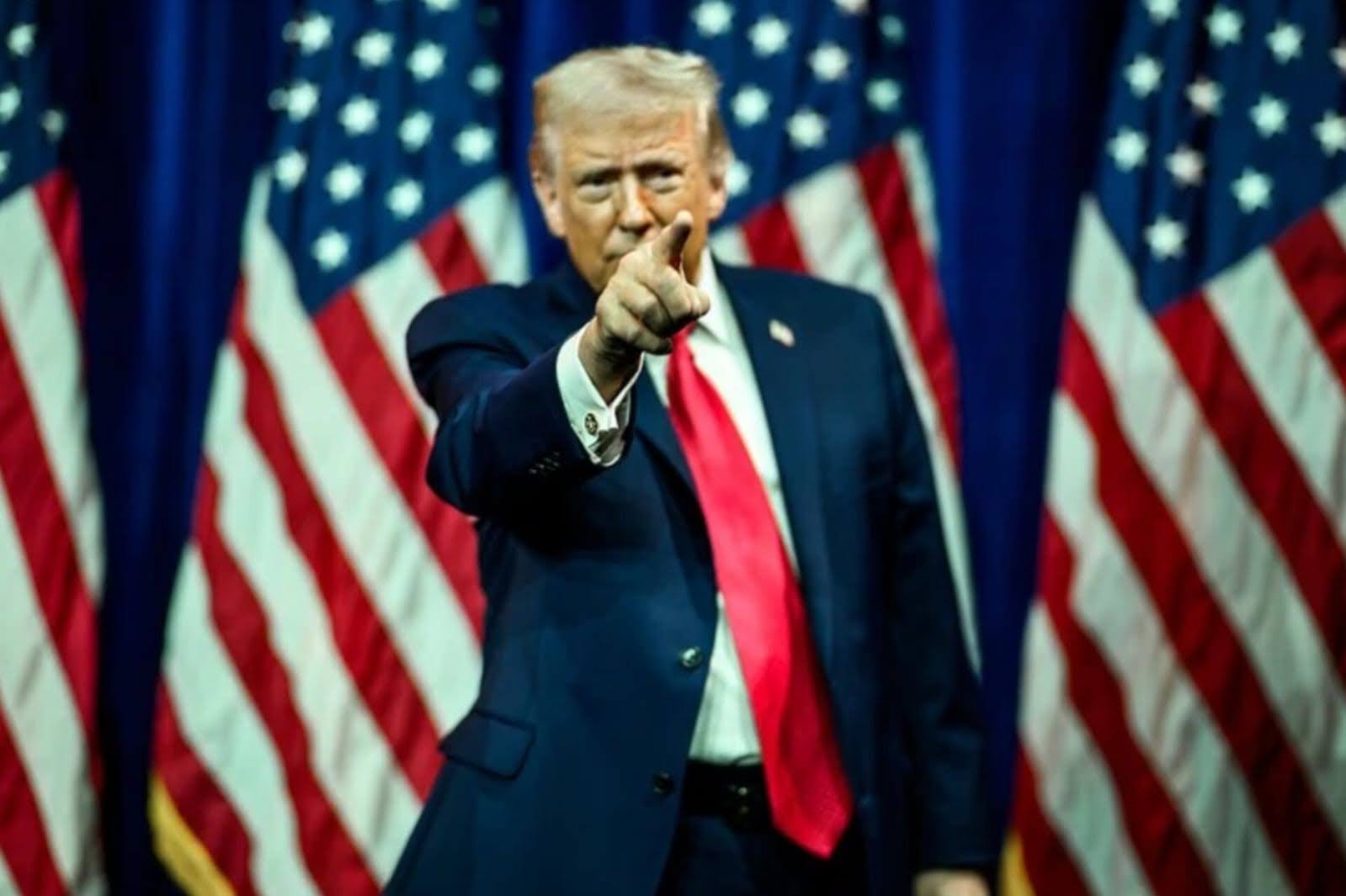
In a characteristically blunt social media post, President Donald Trump accused Iranian negotiators of being “strange” and deceptive about the status of peace talks. Trump alleged that while they are privately “begging” for a deal to save their “militarily obliterated” nation, they are publicly claiming to only be reviewing the American proposal. He warned that the window for a diplomatic resolution is closing, stating that once the deadline passes, there will be “no turning back.”
This rhetoric follows a series of devastating air strikes that began in early 2026, targeting Iran’s naval headquarters and missile storage facilities. The U.S. 15-point ceasefire plan seeks to capitalize on these military gains by requiring Iran to permanently abandon its nuclear program and reduce its missile stockpile. A key component of the plan is the reopening of the Strait of Hormuz, which has been under a de facto blockade for nearly a month.
In a counter-proposal, Iran has demanded that the U.S. recognize its sovereignty over the Strait of Hormuz and pay for the damage caused during the war. Tehran’s plan also calls for an end to the war on all fronts, including the conflict in Lebanon where over 1,100 people have been killed. These demands have been described by the U.S. as “unrealistic,” leading to the current diplomatic stalemate between Washington and Tehran.
The humanitarian fallout of the 2026 war has been catastrophic, with over 2,600 combined deaths in Iran and Lebanon and millions of displaced people. The conflict has also resulted in 13 U.S. military deaths, highlighting the ongoing risk to American personnel stationed in the Middle East. Global oil prices have reached record highs as the closure of the Strait of Hormuz has cut off a vital supply route for the world’s energy.
As the April 6 deadline approaches, President Trump has indicated that he is prepared to take even more drastic measures if a deal is not struck. He has threatened to target Iran’s energy infrastructure, which would effectively end the country’s economic viability. The international community is now looking to mediators in Pakistan to see if they can bridge the gap between Trump’s “maximum pressure” and Iran’s “maximum resistance.”