
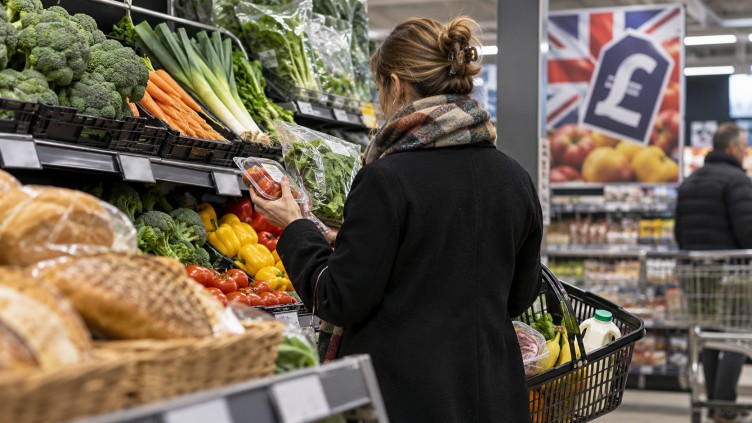
The Bank of England has issued a warning that food price inflation in the United Kingdom could rise to between 3% and 5% by mid-2027, potentially exacerbating the cost of living crisis. Deputy Governor Clare Lombardelli informed lawmakers that while food inflation has recently been lower than anticipated, the pressure on prices could intensify in the coming months.
Currently, food inflation stands at 1.3%, but rising energy costs and other economic stressors could lead to higher prices. Governor Andrew Bailey pointed out the uncertain impact of the El Niño weather phenomenon on agricultural production and global food supplies, which could further influence inflationary trends.
Inflationary pressures in the UK economy have been exacerbated by escalating oil and gas prices, with annual inflation reaching 3.6% in October. The costs of petrol and diesel have surged by more than 33% over the past year, adding to the financial strain on consumers.
Additionally, a proposed 26% hike in the household energy price cap set for January could further strain household budgets and increase operating costs for businesses. While recent declines in international oil prices might provide some relief, the Bank of England warns that sustained lower energy prices are necessary to potentially reduce future inflation forecasts.
Within the Bank of England’s Monetary Policy Committee, there is a divide on how aggressively to tackle inflation. Some members advocate for stronger interest rate hikes, while others believe that existing measures may be sufficient to manage price pressures.
The Bank’s latest projections emphasize the potential for increased costs in food and household expenses, with energy prices, weather conditions, and global commodity markets playing significant roles in shaping the UK’s inflation outlook. As the situation evolves, these factors will be closely monitored to assess their impact on the economy.