
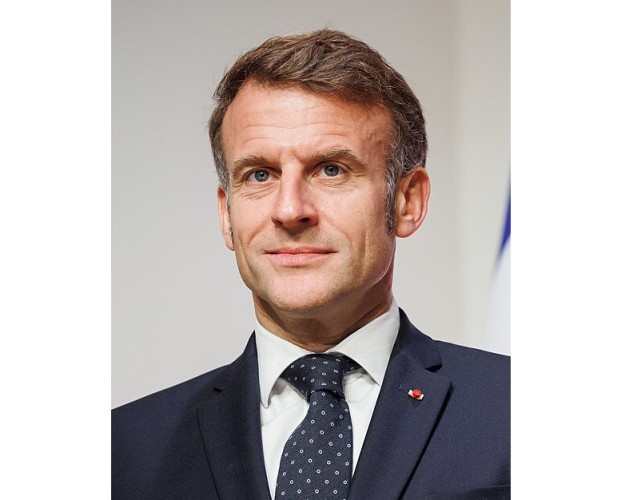
As world leaders convene for the G7 summit in Évian-les-Bains, French President Emmanuel Macron has crafted the agenda to ensure active participation from US President Donald Trump over the three-day event. The summit arrives at a time marked by increasing geopolitical tensions and worries about the global economy amid recent conflicts. Central to the discussions will be advancing the US-Iran peace agreement, with particular emphasis on reopening the Strait of Hormuz to secure international shipping in this critical energy corridor.
The gathering will also tackle the economic repercussions stemming from Middle East conflicts, which have disrupted trade, pushed up shipping costs, and heightened inflation concerns worldwide. These issues have prompted international institutions to lower global growth forecasts, highlighting the rising food, energy, and borrowing costs that are particularly challenging for developing nations. Ukrainian President Volodymyr Zelenskyy will join the summit to discuss ongoing support for Ukraine and explore diplomatic solutions to end the war, with European leaders advocating for a more significant role in future peace initiatives.
The humanitarian crisis in Gaza is set to be another focal point, as leaders aim to make headway on ceasefire negotiations and broader regional stability. Conversations with Middle Eastern leaders are anticipated to cover both the Gaza situation and the broader implications of the Iran agreement. Apart from security concerns, the G7 participants will address economic hurdles such as supply chain resilience, critical minerals, artificial intelligence, and international development. The discussions are also expected to spotlight global trade imbalances and the rapid expansion of Chinese exports.
Macron’s objective is to forge consensus among the member nations while steering clear of contentious debates that could dominate the summit. Instead of a comprehensive joint declaration, the outcomes of the summit will likely be communicated through separate summaries on key areas of agreement. This gathering is perceived as a crucial test of international collaboration amid a backdrop of geopolitical uncertainty, economic pressures, and shifting global alliances.