
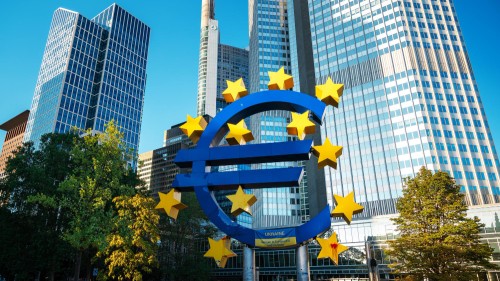
The European Central Bank (ECB) has taken a significant step by raising interest rates for the first time since 2023, as it seeks to combat rising inflation driven predominantly by increased energy costs linked to the ongoing conflict in Iran. The bank adjusted its main deposit rate from 2% to 2.25%, signaling potential additional hikes in the future should inflationary pressures continue to mount.
Inflation within the eurozone saw a rise to 3.2% in May 2026, up from 3% in April, largely attributed to surging oil and gas prices amid global supply chain disruptions. The ECB remains steadfast in its commitment to an official inflation target of 2%. However, officials have expressed concerns about the uncertain economic outlook, as persistent geopolitical tensions may sustain elevated energy prices, further impacting consumer prices across the region.
In conjunction with the interest rate hike, the ECB has also adjusted its economic growth forecasts for the eurozone, citing diminished demand and ongoing global instability. This move indicates a shift in priorities for the central bank, as it places a greater emphasis on controlling inflation over short-term economic growth.
There is currently a divide among analysts regarding the extent of the ECB’s tightening cycle. Some anticipate one or two more rate hikes, while others predict that slowing economic growth could potentially limit further actions. Meanwhile, central banks in other major economies, such as the United States and the United Kingdom, are closely monitoring inflation trends, as the volatility in energy markets continues to shape global monetary policy strategies.