
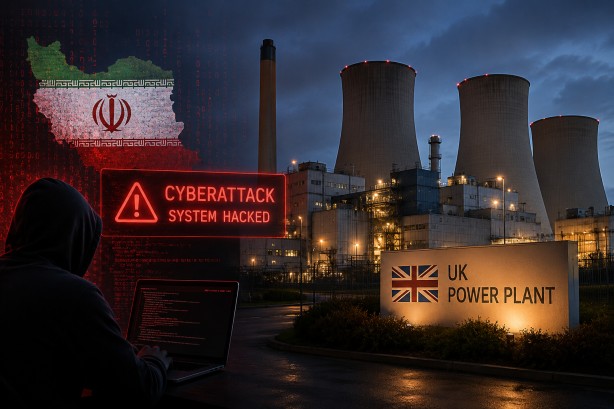
An Iranian-linked hacking group has been held responsible for a cyberattack that recently incapacitated a small British power generator, marking a significant escalation in cyber threats targeting the UK. The attack, which took place last month, rendered the power plant inactive for four days. Despite this disruption, UK authorities assured that the incident posed no threat to the broader electricity network or the national energy supply.
The Department for Energy Security and Net Zero emphasized that the affected facility was a minor generator, underscoring that the UK’s extensive energy infrastructure remains stable and resilient. Additionally, the National Cyber Security Centre (NCSC) reported that no major regulated power stations experienced outages due to this incident. This cyberattack unfolds amid rising tensions between the UK and Iran, particularly as Britain has permitted the United States to conduct defensive operations against Iran from US-managed bases within the UK. Iran has countered with warnings that it may consider such bases as legitimate targets if used for attacks on its territory.
Western security agencies have previously cautioned that groups connected to Iran are targeting critical infrastructure, raising alarms over potential vulnerabilities. The United States has also implicated the Iran-affiliated group, CyberAv3ngers, in compromising infrastructure systems across various sectors. The recent cyberattack has intensified concerns about the susceptibility of critical infrastructure to state-sponsored cyber threats and the increasing cybersecurity risks from hostile nations.
This development highlights the ongoing challenge of safeguarding essential services against cyber threats, particularly those linked to nation-states. As tensions between countries continue to rise, the potential for cyberattacks on critical infrastructure remains a significant concern for security agencies worldwide. The incident serves as a stark reminder of the need for enhanced cybersecurity measures to protect vital national interests.