
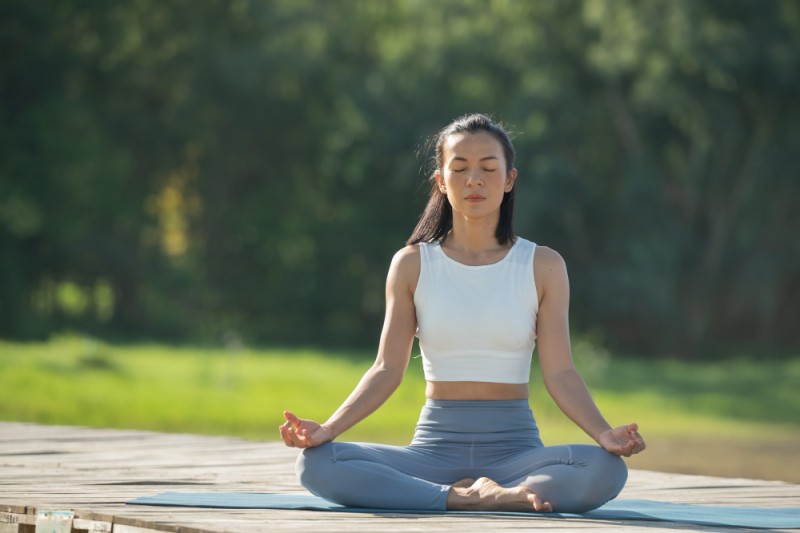
In the era of remote work, the flexibility of working from home is a double-edged sword. While it offers a convenient lifestyle, it often muddles the line between professional duties and personal life. This blurring can result in long hours in front of screens, constant notifications, and a hectic schedule that leave remote workers feeling drained and mentally exhausted. Amidst this, meditation emerges as a valuable tool to cultivate calmness throughout a bustling day, encouraging individuals to slow down, become mindful of their thoughts, and stay connected with the present.
Beginning the day with quiet reflection can set a positive tone for the hours ahead. Those initial moments after waking are pivotal; by spending a few minutes in silence before diving into emails or social media, individuals can foster a sense of tranquility. A simple practice involves sitting comfortably, focusing on one’s breath, and observing thoughts without judgment, which can enhance clarity and prepare the mind for the workday.
Incorporating mindfulness into short breaks throughout the day can prevent stress from accumulating. Instead of letting tension build up, these brief pauses can serve as opportunities to reset. Taking a moment to concentrate on breathing, relax the body, or observe the surroundings can alleviate mental pressure and reorient focus to the present. Moreover, meditation isn’t confined to sitting quietly; daily activities like walking, eating, or preparing a drink can become mindful exercises. By fully engaging in these simple tasks, individuals can heighten their awareness and savor small moments, reducing the tendency to constantly plan the next task.
During challenging times, self-reflection can offer a reprieve from overwhelming emotions. When stress or frustration arises, posing a question like “Who is aware of this feeling?” can create a mental space to observe emotions rather than react impulsively. Finally, concluding the workday with meditation can help remote workers transition mentally from professional obligations to personal time. A brief meditation session after work can promote relaxation and establish a healthier balance between work and home life.
Ultimately, meditation is not about sidestepping the challenges of daily life. Instead, it serves as a practice that enhances presence, focus, and awareness, equipping individuals to handle their responsibilities with greater composure and mindfulness.