
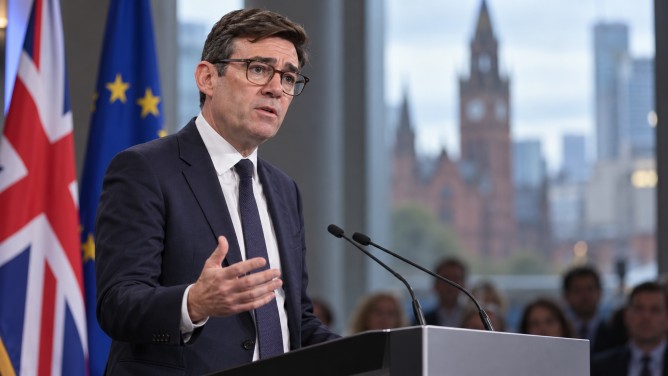
UK Prime Minister Andy Burnham has criticized the existing Brexit deal, stating that it falls short of what was promised to voters during the 2016 referendum campaign. He argues that the agreement has negatively impacted Britain’s economy and complicated efforts to manage irregular migration. Despite these concerns, Burnham has ruled out significant changes to the UK’s relationship with the European Union during the current parliamentary term.
Burnham emphasized that the Brexit arrangements have not delivered expected benefits, particularly in terms of economic performance and immigration control. He noted that the harder form of Brexit that Britain ended up with was not what voters were led to expect. On immigration, Burnham highlighted the difficulties in returning individuals who entered the country irregularly and supported stricter settlement rules for foreign workers.
While Burnham expressed a personal desire to see the UK rejoin the EU in the future, he stressed that any decision must be in line with the British public’s wishes. He clarified that he is not proposing EU membership during the current parliamentary term and instead seeks practical improvements to the existing arrangements.
The upcoming UK-EU summit on November 20 presents an opportunity, according to Burnham, to secure agreements benefiting British food manufacturers and businesses hindered by Brexit-related trade barriers. His remarks come amidst ongoing debates within the government regarding the UK’s approach to Europe, with some Labour representatives in pro-Brexit constituencies expressing concerns that revisiting the issue could provide leverage to rival parties.
Burnham reiterated that the government has no plans to rerun the Brexit referendum, underscoring that the future relationship with the EU should be determined by voters. He also dismissed the possibility of an early general election and called for the forthcoming budget to offer greater economic stability for households and businesses.