
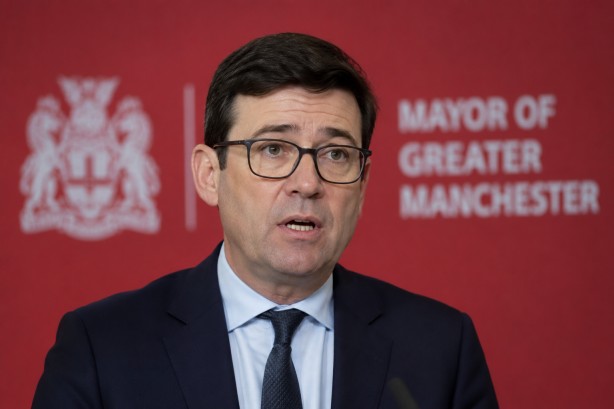
In a move to strengthen ties with the European Union, British Prime Minister Andy Burnham is focusing on domestic economic initiatives, all while steering clear of any attempts to rejoin the EU or reopen the Brexit discourse. Despite the lasting economic impacts of Brexit acknowledged by Burnham, his administration is dedicated to fostering national unity and avoiding the divisive debates surrounding EU membership.
European leaders have shown a positive reception to Burnham’s appointment, with figures such as European Commission President Ursula von der Leyen, French President Emmanuel Macron, and German Chancellor Friedrich Merz expressing optimism for enhanced UK-EU relations. Burnham’s leadership is seen as a potential bridge to a more cooperative future, aligning closely with the EU’s strategic interests in industrial resilience, technological advancement, and supply chain security.
The British government’s agenda under Burnham includes significant efforts to boost domestic manufacturing, expand regional development, enhance artificial intelligence capabilities, and improve energy security and digital infrastructure. These areas are essential components of Burnham’s strategy to revitalize the UK economy and mirror the EU’s focus on similar sectors, suggesting room for practical collaboration.
In the immediate future, discussions between the UK and the EU are set to culminate in agreements designed to streamline trade processes for food products, establish connections between carbon emissions trading systems, and introduce a youth mobility scheme for individuals aged 18 to 30. Such steps are anticipated to foster smoother interactions and shared benefits across the channel, even as broader political ties remain unchanged.
Experts anticipate that Burnham’s economic growth focus and regional investment strategy will pave the way for deeper cooperation with the EU. This could manifest in joint industrial endeavors, technology collaborations, and shared supply chain projects, enhancing the UK’s economic landscape without necessitating significant alterations to its post-Brexit standing.