
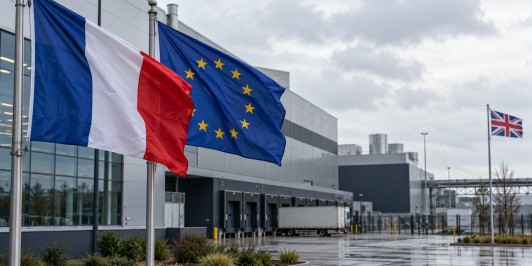
France is advocating for the European Union’s “Made in Europe” rules to focus exclusively on companies within the EU, potentially sidelining British firms from accessing public contracts and incentives in key industries. This push is part of the proposed Industrial Accelerator Act, which aims to boost demand for European-made, low-carbon products through public procurement and government support. The sectors affected include steel, cement, aluminium, electric vehicles, and other net-zero technologies.
The French government is calling for a strict interpretation of the rules that would limit participation to the EU’s 27 member states. In contrast, the UK, having exited the EU single market, is lobbying for recognition as a trusted partner, allowing British companies to compete under the new framework. This stance underscores the post-Brexit challenges faced by the UK in maintaining economic ties with the EU.
There is division within the EU itself regarding the scope of the rules. Germany and several Nordic countries are in favor of a broader application that might include trusted non-EU partners, reflecting differing national interests and economic strategies within the bloc. The final shape of the Industrial Accelerator Act is still subject to negotiation among EU institutions, including the European Parliament and the EU Council, which must reach an agreement before any adoption.
As these discussions unfold, the outcome will have significant implications for the relationship between the EU and the UK, particularly in strategic industries aiming for low-carbon advancements. The negotiations will likely test the balance between EU unity and the desire to include economically significant partners like the UK. For now, the proposed act remains a contentious issue as European leaders seek to define the future of cross-border industrial collaboration.