
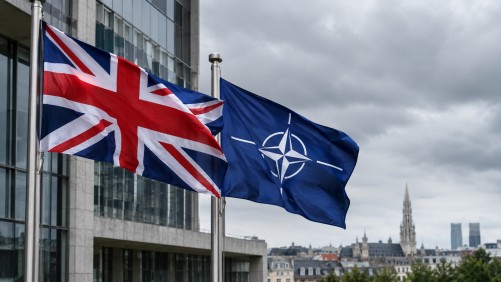
In a firm response to recent demands from Russia, British Prime Minister Andy Burnham has underscored the importance of European nations independently determining their security and defense policies. During the European Political Community summit in Dublin, Burnham rejected Russia’s proposals to alter Europe’s security framework, emphasizing the UK’s unwavering commitment to the continent’s defense.
The UK plans to maintain its submarine-based nuclear deterrent as part of NATO’s collective defense strategy, reinforcing its role in the alliance’s security arrangements. This stance comes amid Russia’s calls for NATO to retract its forces to their 1997 positions, cease further expansions, and curtail military operations across various regions in Europe.
Ukraine’s Foreign Minister Andrii Sybiha has joined in criticizing Russian President Vladimir Putin’s efforts to reshape European security, pointing out Moscow’s inability to achieve its military goals in Ukraine despite significant losses. Sybiha’s remarks highlight the ongoing resistance to Russian influence and military aggression in the region.
Additionally, Finnish Defence Minister Antti Häkkänen has dismissed any notion of negotiating Finland’s NATO membership, labeling such demands from Russia as unacceptable. This sentiment echoes the broader consensus among European leaders who collectively oppose allowing Russia to dictate security policies across the continent.
As tensions persist, Europe’s leadership remains steadfast in its stance against Russian demands, advocating for a security framework based on mutual respect and sovereign decision-making. The summit in Dublin serves as a platform for these leaders to reinforce their commitment to maintaining robust defense alliances and ensuring regional stability.