
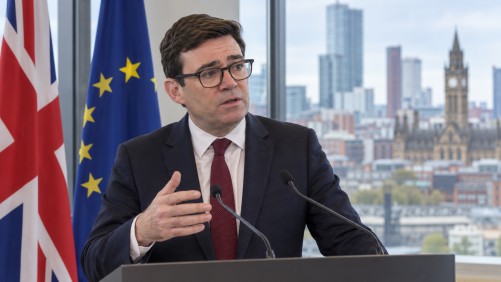
UK Prime Minister Andy Burnham is set to address Parliament with a call for a more robust relationship with the European Union, emphasizing that neglecting the economic repercussions of Brexit could be a significant failure of governmental responsibility. In his upcoming statement to the House of Commons, Burnham will argue that enhanced cooperation with the EU is crucial for fostering economic growth, improving trade, and tackling illegal immigration.
As the UK-EU summit approaches, Burnham intends to advocate for a practical reassessment of Britain’s ties with the EU. He believes that sticking to the current agreements without seeking enhancements could restrict business opportunities and weaken economic prospects. The government is particularly focused on reducing trade barriers that have emerged post-Brexit, specifically those affecting food and agricultural imports and exports. Migration issues are also anticipated to be a key topic of discussion.
The ongoing debate comes at a time when businesses are burdened by increased paperwork and costs associated with border checks. Proponents of closer EU ties argue that alleviating these barriers could boost trade and offer more stability for companies operating across European markets. Meanwhile, a petition calling for the UK to rejoin the EU has garnered over 111,000 signatures, leading to a planned parliamentary debate on the matter.
Burnham’s stance has rekindled political tensions over Brexit, with senior Conservative figures opposing Labour’s push for closer EU relations, including proposals to ease agricultural trade barriers. Within Labour itself, there is a divide, with some MPs from constituencies that backed Brexit worried that reopening the discussion could exacerbate political divides. Others are wary of moves towards EU membership or deeper economic integration.
During Labour’s conference in Liverpool last month, Burnham argued that Brexit had been more detrimental than beneficial, urging the government to reevaluate the UK’s long-term relationship with Europe. His forthcoming address is expected to focus on pragmatic steps to enhance cooperation rather than simply revisiting the referendum debate. The government’s approach in these discussions could influence future negotiations with Brussels, as the UK weighs the potential economic advantages of closer collaboration against domestic political considerations.